Why Are Rotating Machines Essential for Modern Industry?
In today's fast-paced industrial landscape, the importance of Rotating Machines cannot be overstated. These machines play a critical role in various sectors, from manufacturing to energy production. Without them, many operations would simply come to a halt.
Rotating Machines encompass a wide range of equipment, including motors, turbines, and pumps. They convert energy from one form to another, enabling diverse processes. For example, electric motors are vital for automation, while turbines generate electricity. However, reliance on these machines comes with challenges. Maintenance is essential to prevent breakdowns that disrupt production.
Despite their reliability, Rotating Machines are not infallible. Wear and tear can reduce efficiency over time. Companies must address these issues proactively. The industry needs to focus on innovation and efficiency. Embracing new technologies can enhance the performance and longevity of these machines. The evolution of Rotating Machines reflects the ongoing need for improvement in modern industry.
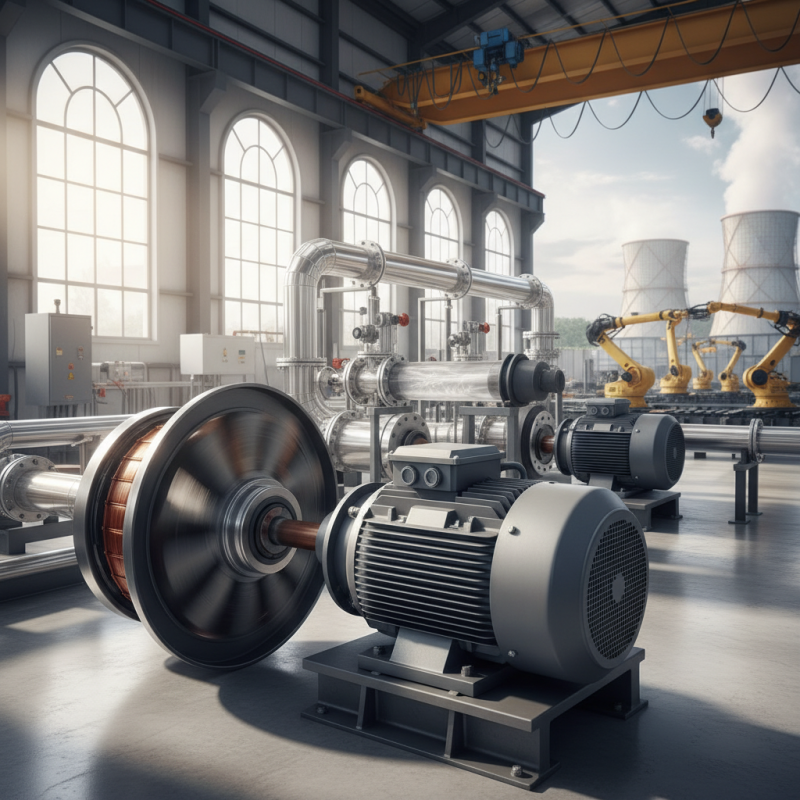
Importance of Rotating Machines in Industrial Applications
Rotating machines are vital to modern industry. They power everything from conveyor belts to pumps. These machines are the backbone of various sectors. Manufacturing, energy, and transportation all rely on them.
Consider a typical factory. Rotating machines like motors drive assembly lines. They ensure products move efficiently. A small malfunction can halt production. This highlights their importance. In the energy sector, turbines play a crucial role. They convert kinetic energy into electrical power. Without them, many facilities would struggle to operate.
However, there are challenges associated with these machines. Maintenance is often overlooked. This can lead to significant downtime. Operators must regularly check for wear and tear. Additionally, energy efficiency is a concern. Inefficient machines consume more power, increasing costs. As industries strive for sustainability, the need for advancements in rotating machine technology is clear.
Importance of Rotating Machines in Industrial Applications
Types of Rotating Machines Used in Modern Industry
Rotating machines play a pivotal role in the infrastructure of modern industry. They encompass various types, each crucial for different applications. Electric motors are one of the most prevalent types of rotating machines. According to a recent report, the global electric motor market is projected to grow to approximately $200 billion by 2025. This signifies the demand for efficient electrical energy conversion in sectors like manufacturing and transportation.
Another vital type is the turbines. Used extensively in power plants, turbines convert kinetic energy into mechanical energy. In 2022, about 70% of the world's electricity was generated from rotating machines, primarily due to the increased adoption of wind and gas turbines. However, the reliance on these machines raises concerns about maintenance and sustainability. Many industries face challenges with equipment wear, which impacts performance and efficiency.
Lastly, pumps are essential in countless applications. Industrial pumps handle fluids and control flow. Reports indicate that the global pump market could reach $70 billion by 2025. Despite their critical role, many operations struggle with energy inefficiency. For instance, nearly 20% of pump energy is wasted due to poorly matched systems. This highlights the need for continuous assessment and improvement in rotating machinery used in industrial settings.
How Rotating Machines Improve Efficiency and Productivity
Rotating machines are the backbone of modern industry. They enhance efficiency in manufacturing, allowing for higher outputs. According to the International Energy Agency, over 45% of industrial energy consumption comes from motors alone. This highlights their critical role in operational efficiency.
These machines convert energy into mechanical power effectively. For instance, electric motors are designed to run continuously with minimal downtime. Studies show that optimizing motor performance can lead to energy savings of around 30%. In industries where precision and speed matter, rotating machines cut production time significantly. Yet, many facilities overlook routine maintenance. Such neglect can lead to unexpected failures, costing time and money.
Moreover, the design of rotating machines can be complex. Factors such as vibration and heat generation must be managed. Failure to address these issues can lead to inefficiencies. Interestingly, reports suggest that over 20% of operational disruptions stem from poorly maintained rotating equipment. This indicates a crucial area for improvement within companies aiming to boost productivity.
Role of Rotating Machines in Energy Generation and Management
Rotating machines play a crucial role in energy generation and management. They are found in power plants, wind farms, and even in household appliances. These machines convert mechanical energy into electrical energy and vice versa. For instance, a wind turbine captures wind energy through its rotating blades. That motion spins a generator, producing electricity. These processes are essential for energy sustainability.
However, not all rotating machines function perfectly. Some may require constant maintenance and monitoring. Over time, wear and tear can lead to inefficiencies. A generator might stall if lubricants degrade, wasting both time and resources. Additionally, fluctuations in energy demand can overwhelm these machines, causing operational issues. Without proper management strategies, power outages may occur, affecting entire communities.
In energy management, rotating machines must adapt to varying loads. Smart technologies can improve their efficiency, but they also introduce complexity. Balancing performance and reliability becomes a shared challenge. As industries move towards greener technologies, the dependency on these machines will only increase. The need for innovation in their design and maintenance is critical for a sustainable future.
Future Trends in Rotating Machine Technology for Industry
The future of rotating machines holds immense promise for modern industry. Reports predict that the global market for rotating machinery will reach $500 billion by 2025. This growth is driven by the push for efficiency and sustainability. Industries are focusing on energy-efficient designs. Innovative technologies play a key role in this evolution.
One emerging trend is the use of smart rotating machines. These machines incorporate IoT technology for real-time monitoring. Data collected helps in predictive maintenance, reducing downtime. However, integration can be challenging. Many industries still rely on outdated systems. This creates a gap in optimization potential. Another area to watch is the advancement in materials. Lightweight composites and alloys improve performance. Yet, sourcing these materials poses a risk. Supply chains must adapt to these new demands while ensuring quality.
Additionally, automation is reshaping how rotating machines are utilized. Robotics and AI can enhance operational processes. Companies need to evaluate the balance between automation and labor. While efficiency increases, job displacement is a concern that cannot be ignored. Exploring these nuances is essential as we move forward. The landscape is changing rapidly, but challenges remain.
Why Are Rotating Machines Essential for Modern Industry? - Future Trends in Rotating Machine Technology for Industry
| Aspect | Current Trends | Future Potential |
| Energy Efficiency | Increased focus on optimizing energy consumption. | Integration of AI for predictive efficiency enhancements. |
| Automation | Growing use of automated rotating machinery. | Smart machines capable of autonomous operation. |
| Maintenance | Shift towards predictive maintenance strategies. | Fully integrated IoT solutions for real-time diagnostics. |
| Customization | Demand for tailored solutions to meet specific needs. | Mass customization enabled by advanced manufacturing techniques. |
| Materials | Adoption of lightweight, durable materials. | Use of nanotechnology and composites for enhanced performance. |
 English
  Français