What is Electrical Steel and Why is it Important in Industry?
Electrical Steel plays a crucial role in modern industry, especially in electrical applications. This specialized steel is designed to enhance the efficiency of electrical devices. It is widely used in transformers, electric motors, and generators. The unique properties of Electrical Steel, such as high permeability, reduce energy loss. This directly impacts the performance and reliability of various electrical systems.
In recent years, the demand for Electrical Steel has surged. As industries focus on sustainability, efficient energy use becomes paramount. Production processes for Electrical Steel are complex. Manufacturers often face challenges in achieving optimal quality. The choice of materials and refining techniques significantly affects performance. Companies must continually innovate to improve their products.
Despite its importance, many still overlook the significance of Electrical Steel. It may seem like a minor component, but it is vital in energy-efficient technologies. Understanding its properties can lead to better design and functionality in electrical devices. The industry needs to address these gaps. Greater awareness should drive advancements in Electrical Steel applications.
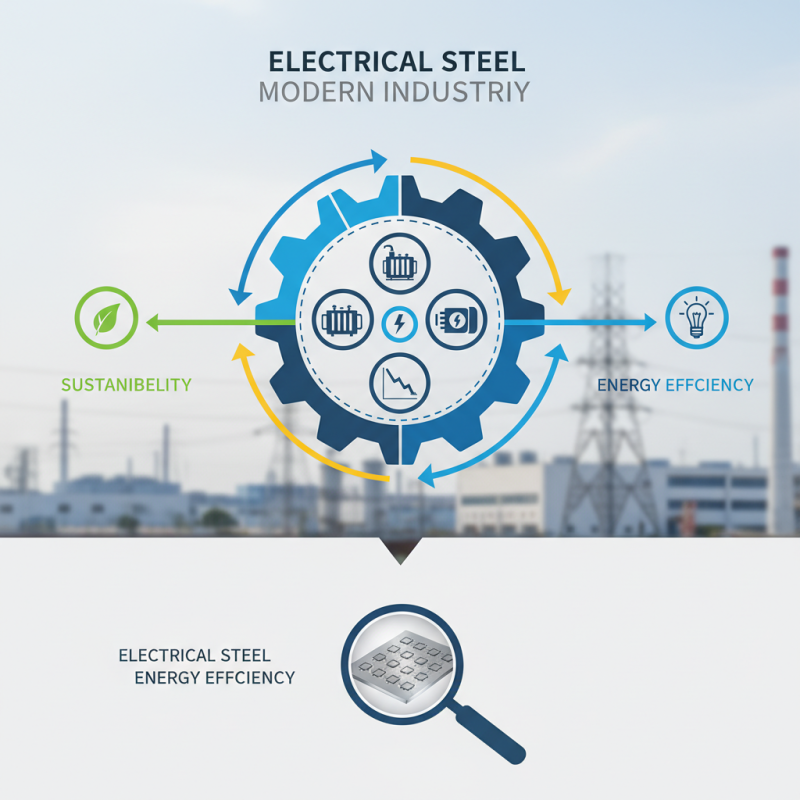
What is Electrical Steel: Definition and Composition
Electrical steel, also known as silicon steel, is a specialized material used in the manufacturing of electrical devices. It plays a crucial role in enhancing the efficiency of transformers, motors, and generators. The composition of electrical steel typically includes iron with a small amount of silicon. This combination helps to reduce energy losses in magnetic cores. The silicon content usually ranges from 3% to 4.5%, improving the material's magnetic properties.
The production process of electrical steel involves careful control of its thickness. Thinner sheets are often preferred as they minimize eddy current losses. These sheets can vary in magnetic properties depending on the desired application. Cold rolling is a common method used to achieve the necessary thickness. However, achieving the correct balance between magnetism and mechanical strength can be challenging.
Electrical steel is essential for the shift towards sustainable energy. It is fundamental in electric vehicles and renewable energy technologies. Yet, the production process can be inefficient. Some manufacturers struggle with achieving the optimal silicon percentage. Additionally, there are environmental concerns regarding the production methods. This calls for further innovation in the industry.
The Role of Electrical Steel in Electrical Equipment Manufacturing
Electrical steel plays a vital role in manufacturing electrical equipment. This specialized steel is designed for optimum magnetic properties. It is critical in transformers, motors, and generators. Studies reveal that the global electrical steel market was valued at approximately $27 billion in 2022. This figure is projected to reach $36 billion by 2029.
Electrical steel is made with precision. Its silicon content enhances permeability and reduces energy loss. The manufacturing process is complex and requires stringent quality control. However, not all manufacturers meet these standards, leading to variability in performance. For instance, low-quality electrical steel can cause inefficiencies in electrical systems, increasing operational costs.
The demand for high-efficiency electrical equipment is rising. A report from the International Energy Agency showed that improving efficiency in equipment could reduce global energy demand by up to 10% by 2040. This highlights the importance of using high-quality electrical steel. Yet, the industry still grapples with issues such as inconsistent supply chains and fluctuating raw material prices, affecting overall production. The focus on sustainability also challenges manufacturers to innovate while maintaining performance standards.
Types of Electrical Steel and Their Applications
Electrical steel is a vital component in various industrial applications, especially in electric motors and transformers. There are two main types: silicon steel and non-oriented steel. Silicon steel is widely used due to its high magnetic permeability and low core losses. In fact, silicon content can be as high as 3.2%, significantly improving efficiency. Non-oriented steel is preferred in applications requiring multi-directional magnetic performance, like motors.
Reports suggest that the electrical steel market is projected to reach USD 36 billion by 2026. This growth stems from the surge in renewable energy solutions and electric vehicles. Manufacturers in this sector face challenges. They must balance production costs with quality. The complexity of achieving optimal magnetic properties can lead to inconsistencies in output. Innovations are needed to address these issues and meet rising demands.
Applications of electrical steel are broad. In power transformers, high-grade electrical steel minimizes energy loss. This efficiency is crucial as industries strive for sustainability. With the push towards greener technologies, demand for high-performance electrical steel continues to climb. However, companies must remain vigilant against rising raw material prices. This can affect profitability and pricing strategies. The industry must adapt to these fluctuations to maintain competitive advantages.
Advantages of Using Electrical Steel in Industry
Electrical steel, a specialized form of steel, plays a crucial role in various industries. Its unique properties make it ideal for applications like transformers and electric motors. One of the main advantages of using electrical steel is its high magnetic permeability. This allows for efficient energy transfer and reduced energy losses. When used in motors, it helps improve performance and longevity.
Another important advantage is the reduction of weight. Electrical steel is lighter than traditional steel while maintaining strength. This is particularly beneficial in energy-efficient designs. Lighter components lead to lower energy consumption in machines. However, achieving the right balance of weight and strength can be challenging.
Lastly, electrical steel has a significant impact on cost savings. Its enhanced efficiency means lower operational costs over time. Yet, the initial investment in electrical steel technology can be high. Industries must weigh long-term benefits against upfront expenses. Each choice reflects on production strategies and overall sustainability efforts. Balancing these factors is imperative as industries evolve.
Future Trends and Innovations in Electrical Steel Technology
Innovations in electrical steel technology are transforming various industries. This material is crucial for manufacturing efficient motors and transformers. Recent developments focus on reducing energy loss during operation. Advanced materials and techniques are being explored to enhance performance.
Researchers are experimenting with new alloys. These can improve magnetic properties and mechanical strength. Enhanced electrical steel can lead to lighter and more compact machinery. However, innovation comes with challenges. The production process needs upgrades to meet higher demands.
Sustainability is a driving force in the industry. More companies aim to use eco-friendly methods. This is vital as environmental concerns grow. Nonetheless, achieving this balance is complex. Industries must reflect on their practices while innovating. The future of electrical steel is promising yet uncertain.
Electrical Steel Production by Type (2023)
This chart illustrates the production of electrical steel by type in 2023. The data highlights the dominant types of electrical steel used in the industry, showcasing the significance of their applications in various sectors.
 English
  Français