What are the Best Artificial Lift Technologies in Oil Production?
In the realm of oil production, Artificial Lift Technologies play a crucial role in enhancing output. These technologies help to improve the flow of oil from reservoirs. They can optimize production rates, making extraction more efficient. Various types of Artificial Lift Systems exist, including rod pumps, gas lifts, and electric submersible pumps.
These technologies are not without challenges. Each method has its strengths and weaknesses. For instance, rod pumps are reliable but may require more maintenance. Gas lifts can improve flow but depend heavily on gas availability. Producers must carefully evaluate their specific needs. This evaluation often reveals gaps in production efficiency, raising questions about the best choices.
Artificial Lift Technologies are essential to maximizing oil recovery. Yet, the quest for the optimal solution continues. Producers must balance costs, efficiency, and sustainability. As technology evolves, new options emerge, presenting both opportunities and difficulties. This landscape demands ongoing reflection and adaptation from industry players.
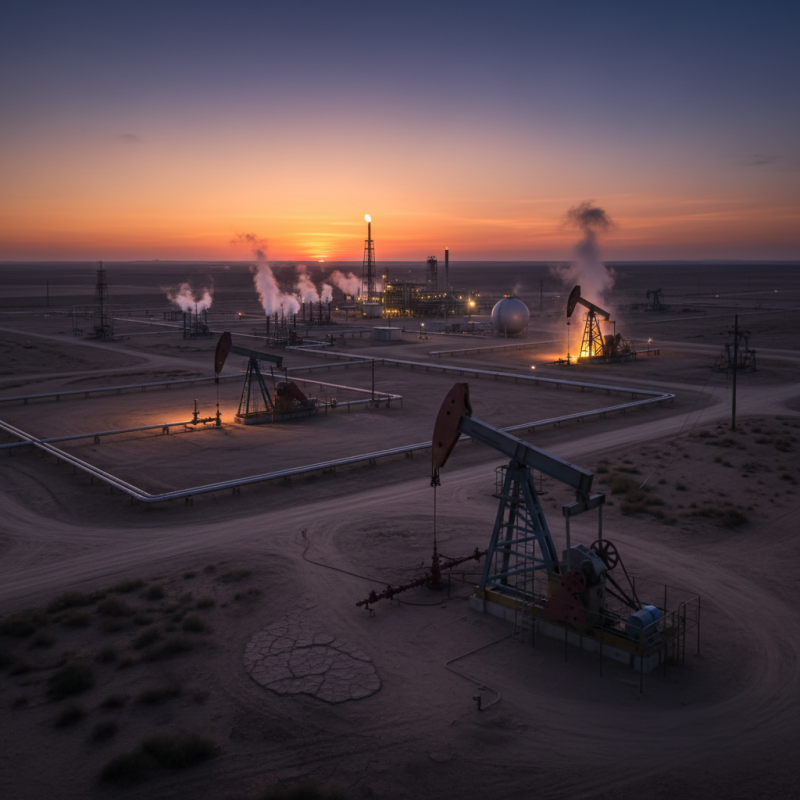
Overview of Artificial Lift Technologies in Oil Production
Artificial lift technologies play a critical role in oil production. These methods help extract more oil from reservoirs that may not flow freely due to pressure constraints. According to industry reports, around 85% of oil wells globally use some form of artificial lift. This shows its importance in maximizing extraction rates and improving economic returns.
One of the most common types of artificial lift is the sucker rod pump. Typically used in onshore fields, it provides a reliable means of lifting fluids. However, maintenance can be labor-intensive and costly. Another option is the electrical submersible pump (ESP), which can handle larger volumes. ESPs are efficient but may face challenges with sand production, leading to wear and tear.
Gas lift technology offers a different approach, injecting gas to reduce fluid density. While effective, it requires a steady supply of gas, which may not always be feasible. As operators evaluate these technologies, they must weigh the benefits against their limitations. Each method has scenarios where it excels and others where it falls short. The ongoing evolution of these technologies continues to shape production strategies in the oil industry.
Types of Artificial Lift Systems: An In-Depth Classification
Artificial lift technologies play a crucial role in oil production. Several types exist, each designed for specific conditions. The most common systems include gas lift, electric submersible pumps (ESPs), and sucker rod pumps. Each has unique benefits and challenges, making selection critical.
Gas lift systems utilize compressed gas to reduce the density of the fluid being lifted. They work well in high-pressure reservoirs but can suffer from corrosion. Electric submersible pumps are effective in deep wells, providing high efficiency. However, they require significant power and maintenance. Sucker rod pumps are reliable and relatively simple, but they have limitations in terms of depth and fluid type.
These technologies are not perfect. The choice often depends on the specific reservoir conditions and operational constraints. Cost, reliability, and energy consumption must be carefully assessed. Operators frequently face challenges in integrating new technologies with existing infrastructure. Continuous innovation and adaptation are essential for optimizing artificial lift systems.
What are the Best Artificial Lift Technologies in Oil Production?
| Artificial Lift Technology | Mechanism | Applications | Advantages | Disadvantages |
|---|---|---|---|---|
| Rod Pumping | Mechanically lifts fluid using a rod and beam setup. | Onshore wells, low to medium production rates. | Low cost, proven technology, suitable for many conditions. | Wear and tear on components, limited efficiency at high rates. |
| Electric Submersible Pump (ESP) | Electricity powers a multi-stage pump to lift fluid. | High production rate wells, offshore applications. | High efficiency, large production capacity, versatile. | High installation and maintenance costs, sensitive to fluid types. |
| Progressing Cavity Pump (PCP) | A helical rotor within a stator transports fluid. | Viscous fluids, heavy oil applications. | Can handle high viscosity, gentle on fluid. | Limited ability in high free gas environments. |
| Gas Lift | Injects gas to reduce the density of the fluid column. | High production wells, wells with significant gas availability. | Simple operation, effective at high rates. | Requires gas source, not effective for low production rates. |
| Hydraulic Pump | Uses high pressure fluid to lift oil. | Deep wells where other forms of lift may fail. | Can operate in harsh environments, high lifting power. | Complicated systems, high operational costs. |
Key Factors Influencing the Selection of Artificial Lift Methods
In oil production, selecting the optimum artificial lift technology is crucial. Several factors influence this decision. One major aspect is reservoir conditions. The temperature and pressure impact lift efficiency. According to recent industry surveys, over 70% of operators adjust their methods based on these parameters.
Another important factor is the production rate. Wells with higher production may need advanced artificial lifts, while lower-output wells benefit from simpler systems. This choice can directly affect the economic viability of the project. Recent reports indicate that making the right lift choice can increase production rates by up to 40%. However, many companies still rely on outdated methods without fully assessing their current needs.
Cost is always a critical consideration. The initial investment varies widely among technologies. Some methods may have lower upfront costs but can lead to higher operational expenses. Reports highlight that nearly 60% of operators express concerns about ongoing costs. This complexity can lead to indecision, often stalling project progress. Balancing these factors is essential for maximizing overall production efficiency.
Comparative Analysis of Popular Artificial Lift Technologies
Artificial lift technologies play a vital role in oil production. Various methods exist, each with its own pros and cons. Understanding these differences is crucial for optimizing production.
One popular method is rod pumping. It uses a surface pump and a series of rods. This approach is effective in low- to moderate-production wells. However, it can struggle in deeper wells. Maintenance costs can add up, and wear and tear are issues.
Another method is gas lift. This technique injects gas into the well, reducing fluid density. It works well in high-production scenarios. Still, it requires constant monitoring, and gas availability can fluctuate, leading to complications.
Selecting the right method depends on several factors, like well depth and production rate. Every technology has its flaws. Understanding these helps in making informed choices.
Future Trends and Innovations in Artificial Lift Systems
The oil production industry is constantly evolving, especially in artificial lift technologies. Future trends focus on improving efficiency and sustainability. Smart artificial lift systems are gaining traction. These systems use real-time data to optimize performance. They ensure that the correct amount of energy is applied to the extraction process. This innovative approach could reduce operational costs significantly.
Moreover, the integration of renewable energy sources is an emerging trend. For example, using solar power to operate artificial lifts is becoming more feasible. This can help reduce reliance on fossil fuels. However, challenges remain in terms of energy storage and system reliability. Companies are exploring hybrid systems that combine traditional sources with renewables. These solutions may not work in every environment.
The push for automation is also evident. More operators are looking at automated systems for remote monitoring and control. This can lead to safer operations and reduce the need for human presence in hazardous areas. Yet, the implementation process is not without its pitfalls. Connectivity issues and system failures could create unexpected downtime. Continuous evaluation and improvement will be essential. Each step taken must be analyzed for effectiveness before widespread adoption.
English
Français